
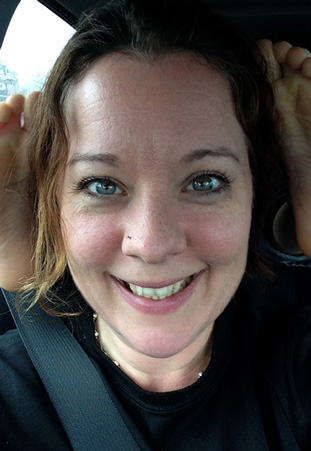
Brenna is interested in the use of genetic analyses to better understand species history, evolution, diversity, and status of a variety of species but especially marine mammals. Primarily, though not exclusively, her research involves the assessment of genetic diversity within historic (using ancient DNA) and contemporary marine mammal populations that have been reduced by hunting/whaling activities. In addition, her interests lie in the use of ancient DNA analysis to explore and elucidate species demographic history as it relates to historical climate change. Understanding of species history, current status, and recovery, is essential to optimize use of resources and strategies for conservation and management of marine mammals. Using ancient DNA analysis, Brenna led the study of the extirpated Maritimes walrus, a population that had existed on Sable Island (and around the Maritimes) until the early 1700s. She is also a co-researcher with Tim Frasier and Zoe Lucas on several genetic studies of the Sable Island horses.
Brenna has a PhD. in Environment and Life Science from Trent University (Peterborough, Ontario) and a Professional Specialization Certificate in Collections Management from the University of Victoria (Victoria, BC). She is the Curator of Zoology for the Nova Scotia Museum and a research associate with the Frasier Lab of Molecular Biology and Evolution at Saint Mary’s University. With a particular interest in education and outdoors adventure outreach, she coordinates two SMU summer camps for teens (Marine Mammal and Forensic Science), hosts a year-round Outdoor Adventure group for families, and is on the Board of Directors of Roots and Boots Forest School Society.
“My interest in working with the Sable Island Institute is threefold. First, the beauty and wonder of Sable Island’s natural and cultural history is enchanting and awe-inspiring to me and I think that bringing diverse opportunities for individuals to experience the wonder and beauty of Sable Island (even remotely) is an exceptional endeavour. Second, Sable Island offers a unique and rare opportunity to study biological and ecosystem processes in isolation. Third, as a curator of Nova Scotia’s zoology and natural history, I think it is important to protect and capture the unique and diverse qualities of Sable Island so that they can be studied for generations to come.”